The Different Types of Caregivers: Roles, Challenges, and How to Thrive
Posted by Kevin
/
Jun 23, 2026
Some caregivers spend their days managing medications. Others become advocates, financial planners, emotional support systems, and care coordinators – all at the same time. Understanding which caregiver role you play can help reduce stress, improve outcomes & make caregiving more sustainable.
Nearly 1 in 5 Americans provides unpaid care to an adult or child with special needs.
– Johns Hopkins Medicine
Caregiving is not a single role. Most caregivers wear multiple hats – providing physical support, coordinating care, managing finances, offering emotional companionship, handling legal responsibilities, and enhancing quality of life. Understanding different caregiver personas helps families, healthcare providers & home care agencies deliver better support, reduce caregiver burnout, and improve outcomes for care recipients.
TL;DR
Caregiving involves more than helping with daily tasks. Caregivers often take on multiple roles, including Physical Caregiver, Care Coordinator, Financial Caregiver, Emotional Caregiver, Legal Caregiver, and Lifestyle Caregiver.
Each and every role comes with unique responsibilities, challenges & skills, but all contribute to improving a care recipient’s well-being and quality of life. Understanding these caregiver personas can help reduce burnout, strengthen support systems & make caregiving more effective & sustainable.
The key takeaway: The best caregivers don’t do everything alone – they understand their role, seek support when needed & prioritize both their well-being and the needs of the person they care for.
Understanding caregiver personas: Types, roles, responsibilities, and challenges
Caregiving is one of the most important – and often misunderstood – responsibilities in healthcare and aging support.
Whether you’re currently caring for a loved one, preparing for future caregiving responsibilities, or simply trying to understand the caregiving journey, recognizing different caregiver personas can provide valuable insight.
Many people assume caregiving revolves around medication management and appointment scheduling. In reality, caregiving involves building trust, providing emotional support, preserving dignity & adapting care to an individual’s unique needs, preferences, and goals. Every caregiving situation is different because every care recipient is different.
The most effective caregivers understand that care is not about following a checklist. It is about creating a personalized experience that respects the individual’s values, lifestyle & independence.
This article explores the most common caregiver personas, the strengths each role requires, the challenges caregivers often face, and practical ways to succeed in each role.
What are caregiver personas?
A caregiver persona represents a distinct caregiving role based on the responsibilities a person performs.
In real life, these roles frequently overlap. A single caregiver may coordinate medical appointments, manage finances, provide emotional support, and assist with daily living activities – all at the same time.
Caregiver roles are influenced by several factors, including:
The care recipient’s health condition
Physical & cognitive needs
Family dynamics
Available support systems
Financial resources
Caregiver skills & experience
There is no universal caregiving model. However, understanding caregiver personas can help families and care teams identify responsibilities, anticipate challenges & create better support systems.
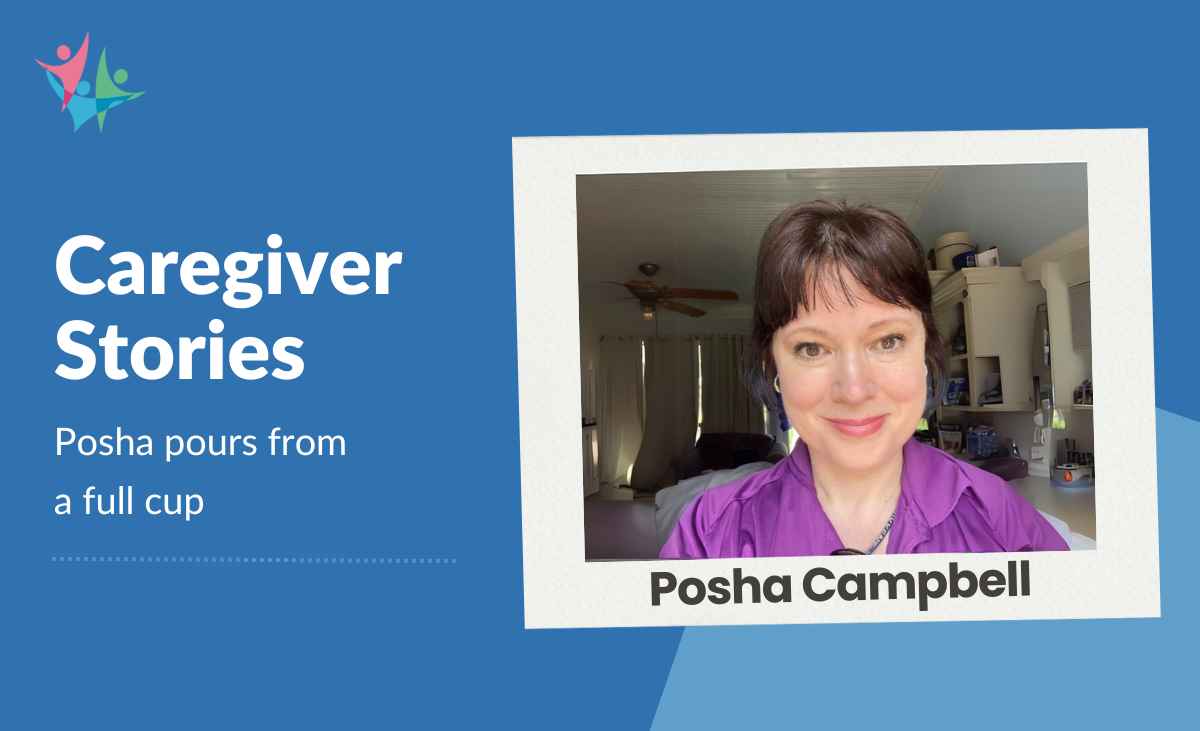
Posha Delivers Care That Softens the Toughest Moments
Caregiving is often built on resilience, compassion, and personal sacrifice. Read the inspiring story of Posha Campbell, whose caregiving journey highlights the profound impact caregivers make every day and the challenges they overcome with strength & dedication.
Physical caregivers provide direct assistance with activities of daily living (ADLs), including:
Assisting with bathing, grooming, and personal hygiene to maintain comfort, dignity & overall well-being.
Helping with dressing and daily routines when mobility or physical limitations make independent activities difficult.
Supporting meal preparation, feeding, and nutritional needs to promote health and recovery.
Monitoring medication schedules and helping ensure medications are taken correctly and on time.
Providing mobility assistance, including transfers, walking support, and fall prevention.
Coordinating transportation to medical appointments, therapy sessions, social activities, and community events.
They often spend the most time physically assisting care recipients and play a critical role in maintaining comfort, safety, and independence.
Who is best suited for this role?
Physical caregivers typically possess:
Physical stamina
Patience
Emotional resilience
Compassion
Comfort with any and all personal care tasks
Common challenges
Physical caregiving can be demanding and may lead to:
Physical fatigue
Caregiver burnout
Emotional exhaustion
Compassion fatigue
Difficulty maintaining personal boundaries
How to thrive as a physical caregiver
Successful physical caregivers:
Prioritize self-care
Ask for help when needed
Take regular breaks
Build a support network
Maintain interests outside caregiving
Physical caregiver: At a glance
Primary focus: Provide hands-on support with daily living activities and personal care.
Key responsibilities: Assist with bathing, grooming, dressing, mobility, meal preparation, medication reminders, and transportation.
Best suited for: Individuals who are patient, compassionate, physically capable, and emotionally resilient.
Biggest challenge: Managing physical fatigue, emotional stress, and caregiver burnout.
Most important skill: Patience and resilience.
Success tip: Prioritize self-care and maintain a strong support network to support long-term well-being and career success.
2. Care coordinator: Managing the bigger picture
What does a care coordinator do?
Care coordinators oversee the broader care plan and ensure that all moving parts work together.
Responsibilities often include:
Scheduling and coordinating medical appointments across multiple providers & specialties.
Managing all medication schedules and ensuring treatment plans are consistently followed.
Serving as the primary point of communication between physicians, specialists, caregivers, and family members.
Tracking diagnoses, treatments, referrals, and follow-up care to avoid gaps in care.
Advocating for the care recipient during medical visits and healthcare discussions.
Maintaining organized records to support informed decision-making and continuity of care.
Their goal is to ensure care remains organized, efficient, and consistent.
Who is best suited for this role?
Strong care coordinators are typically:
Highly organized
Detail-oriented
Effective communicators
Comfortable managing multiple priorities
Common challenges
Challenges often include:
Information overload
Healthcare system complexity
Scheduling conflicts
Administrative stress
How to thrive as a care coordinator
The most effective coordinators:
Use digital tools & calendars
Keep detailed records
Communicate proactively
Ask questions when any clarification is needed
Care coordinator: At a glance
Primary focus: Manage and coordinate every aspect of a care recipient’s healthcare journey.
Key responsibilities: Schedule appointments, coordinate with healthcare providers, manage medications, track care plans, and advocate for the recipient’s care needs.
Best suited for: Highly organized individuals with strong communication, problem-solving, and multitasking abilities.
Biggest challenge: Navigating complex healthcare systems while coordinating multiple providers, services, and care requirements.
Most important skill: Organization and effective communication.
Success tip: Leverage digital tools, keep detailed records, and stay proactive with follow-ups to ensure seamless care coordination.
Helping the care recipient maintain a sense of purpose, independence, and dignity.
Emotional support is often just as important as physical care in improving quality of life.
Who is best suited for this role?
Emotional caregivers are often:
Empathetic
Patient
Compassionate
Very strong communicators
Common challenges
This role can create:
Compassion fatigue
Emotional exhaustion
Anxiety
Feelings of guilt or sadness
How to thrive as an emotional caregiver
To remain effective, emotional caregivers should:
Establish healthy boundaries
Seek emotional support
Practice stress management
Prioritize their very own mental health
Emotional caregiver: At a glance
Primary focus: Support the care recipient’s emotional, social, and mental well-being.
Key responsibilities: Provide companionship, actively listen, offer reassurance, deliver emotional support, and encourage social engagement.
Best suited for: Empathetic, patient, and compassionate individuals with strong communication skills.
Biggest challenge: Managing compassion fatigue, emotional exhaustion, and caregiver stress.
Most important skill: Empathy and emotional intelligence.
Success tip: Establish healthy boundaries and prioritize your own emotional well-being to provide sustainable support.
5. Legal caregiver: Managing important legal responsibilities
What does a legal caregiver do?
Legal caregivers oversee legal matters related to caregiving and decision-making.
Key responsibilities include:
Managing important legal documents such as wills, trusts, power of attorney forms, guardianship papers & advance directives.
Ensuring healthcare preferences & end-of-life wishes are properly documented and accessible when needed.
Coordinating with attorneys, healthcare providers, financial advisors, and family members on legal matters.
Overseeing power of attorney, guardianship, or decision-making responsibilities when required.
Protecting the care recipient’s legal rights, assets, and best interests.
Keeping legal records organized, updated, and compliant with applicable requirements.
Helping family members understand legal responsibilities and care-related decisions.
Seeking professional legal guidance when complex situations arise.
Who is best suited for this role?
Successful legal caregivers are often:
Organized
Detail-oriented
Comfortable working with documentation
Willing to learn any and all legal requirements
Common challenges
Legal caregiving can involve:
Complex regulations
High levels of responsibility
Significant administrative work
How to thrive as a legal caregiver
Best practices include:
Keeping thorough records
Consulting legal professionals when needed
Staying informed about relevant laws
Reviewing any and all documents regularly
Legal caregiver: At a glance
Primary focus: Protect the care recipient’s legal rights and ensure important decisions reflect their wishes and best interests.
Key responsibilities: Manage legal documents, oversee power of attorney arrangements, coordinate with legal professionals, and safeguard the individual’s interests.
Best suited for: Organized individuals who are comfortable handling documentation, legal paperwork, and administrative processes.
Biggest challenge: Navigating complex legal requirements and avoiding costly errors or oversights.
Most important skill: Accuracy and attention to detail.
Success tip: Keep all legal documents current, well-organized, and consult qualified legal professionals when needed.
6. Lifestyle caregiver: Enhancing everyday life
What does a lifestyle caregiver do?
Lifestyle caregivers tend to focus on helping older adults/individuals enjoy a meaningful and fulfilling life.
Responsibilities often include:
Encouraging hobbies, interests & recreational activities that bring joy and fulfillment.
Coordinating social events and community engagement opportunities to maintain meaningful connections.
Promoting physical activity and wellness routines appropriate for the individual’s abilities.
Supporting healthy eating habits & lifestyle choices that contribute to overall well-being.
Creating opportunities for learning, creativity, and personal growth.
Adapting activities over time as the care recipient’s interests, health, and abilities evolve.
Their work helps maintain independence, purpose, and overall well-being.
Who is best suited for this role?
Lifestyle caregivers are typically:
Creative
Social
Observant
Deeply familiar with the care recipient’s interests
Common challenges
Challenges may include:
Adapting all of the activities to changing abilities
Managing competing caregiving responsibilities
Maintaining engagement over time
How to thrive as a lifestyle caregiver
Successful lifestyle caregivers:
Stay flexible
Continuously adapt activities
Listen to feedback
Focus on the individual’s preferences and goals
Lifestyle caregiver: At a glance
Primary focus: Enhance the care recipient’s quality of life, independence, and personal fulfillment.
Key responsibilities: Encourage hobbies, coordinate social activities, promote wellness, and support meaningful daily engagement.
Best suited for: Creative, energetic individuals who enjoy helping others stay engaged and fulfilled.
Biggest challenge: Adapting activities to changing abilities, interests, and health conditions.
Most important skill: Creativity and adaptability.
Success tip: Focus on the individual’s interests and remain flexible as their needs and preferences evolve.
The reality: Most caregivers wear multiple hats
One of the most important things to understand about caregiving is that these personas rarely exist in isolation.
A family caregiver may simultaneously:
Help with personal care
Coordinate medical appointments
Manage finances
Provide emotional support to the client
Handle any and all legal paperwork
Organize social activities
This overlap explains why caregiving can become physically, emotionally, and financially demanding. Recent research shows that millions of family caregivers spend dozens of hours each week providing care, often while balancing careers and personal responsibilities.
Conclusion
Caregiving takes many forms, from providing hands-on assistance and coordinating care to managing finances, offering emotional support, handling legal responsibilities & enriching daily life. Each caregiver persona plays a unique role in helping individuals maintain their health, dignity, independence, and quality of life.
Understanding these caregiver roles can help you identify your strengths, anticipate challenges & find the resources needed to provide effective, sustainable care. While the responsibilities may differ, one truth remains the same: caregiving is strongest when supported by knowledge, collaboration & a willingness to ask for help when needed.
By recognizing the many dimensions of caregiving, families and care teams can create better support systems – not only for care recipients, but for caregivers as well.
Frequently Asked Questions
Yes. Most caregivers perform several roles simultaneously, especially family caregivers who often manage physical, emotional, financial & administrative responsibilities.
Every caregiving role presents unique challenges. Physical caregivers may experience fatigue, while emotional caregivers may face burnout. Financial and legal caregivers often deal with complex systems & high-stakes decisions.
Caregivers can reduce burnout by seeking support, sharing responsibilities, taking regular breaks, prioritizing self-care & utilizing available community and healthcare resources.
Understanding caregiver personas helps families, healthcare organizations, and home care providers create stronger support systems and improve care outcomes.

 AI Hub

